Skip to content

Farm and rural property

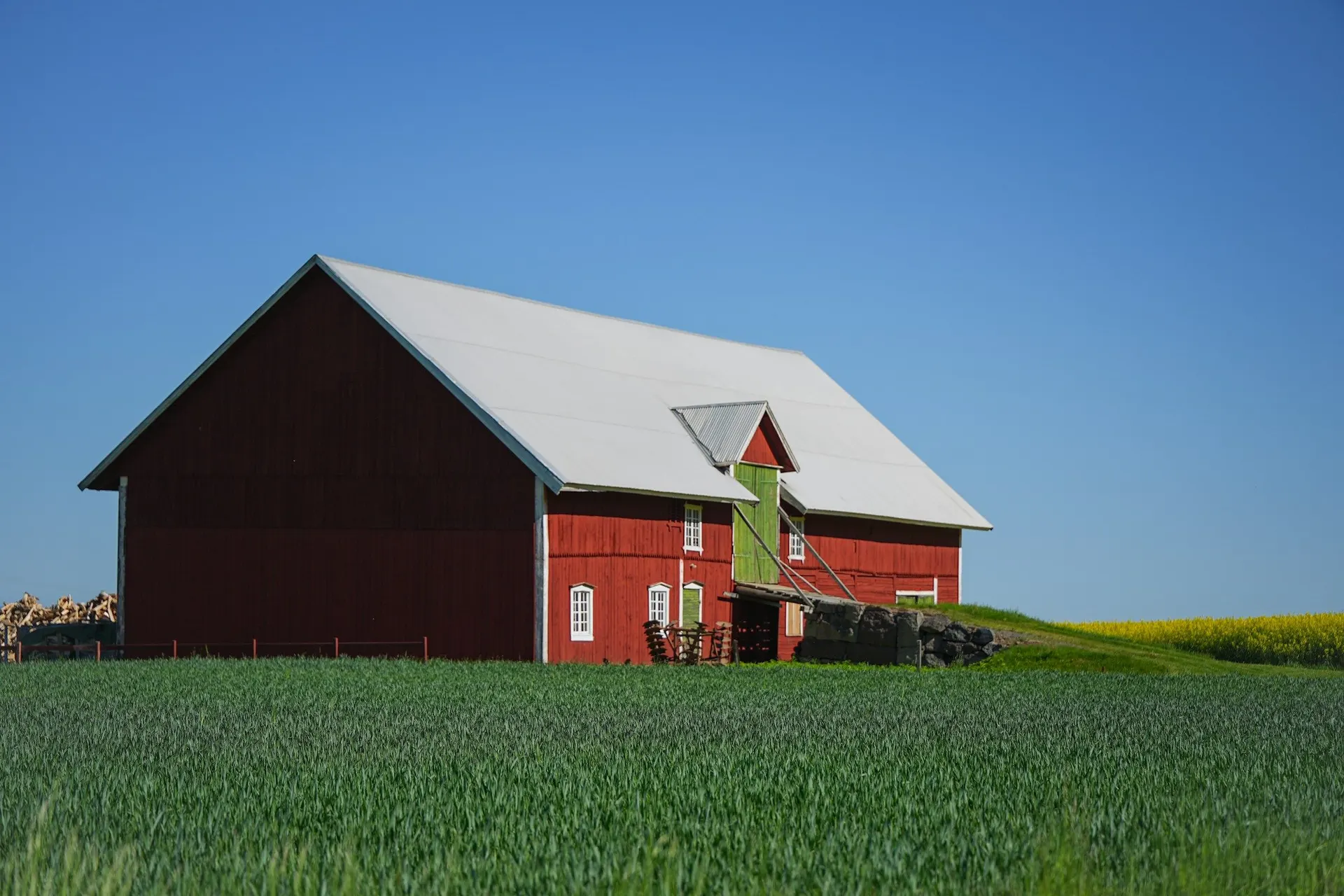
A red barn at the edge of a green wheat field under a blue sky

I am a fifth-generation farm owner, and I built my family's home on our farm. Buying and selling farm and rural property is one of the three things I focus on. Whether it is a house on an acre, a hobby farm or working farmland, I look at it the way a farmer would, and I make sure the practical questions get asked before you commit.

Why country property is different

A rural home usually has its own water and sewage systems, a longer driveway to clear in winter, and often outbuildings, fences and land to look after. None of that is a reason to stay in town. It just means there are more things to check, and the answers affect what the property is worth to you.

Most of my rural work is in rural Chatham-Kent, around towns like Blenheim, Ridgetown, Dresden and Highgate, and I help clients with country property around London too.

What I check with buyers

Water: the well, how much water it gives and the quality. Septic: the type, its age and its condition. Land: how it drains, the soil, and for farmland the tile drainage and field layout. Buildings: the barn, the shop and any other outbuildings, and what shape they are in. Zoning: what you can build, whether you can keep animals and whether a lot can be severed. Those rules are set by the municipality and can differ property to property, so I check them for each one rather than guess.

For a working farm, I am also happy to sit down with your lender, lawyer and accountant. Buying farmland is a business decision as much as a home purchase.

Selling a farm or country home

Rural buyers come in two kinds: people who farm and know exactly what they are looking at, and families moving out of town for space. A good listing speaks honestly to both. I describe the land and buildings plainly, pull together the information buyers will ask for, and market the property where both groups will see it.

If you are thinking about selling, start with a conversation or a home evaluation.

How I help with rural property

  1. Step 1: Talk about the land

    What you need: acreage, buildings, animals, distance to town.

  2. Step 2: Search the whole market

    Farms do not come up often. I watch beyond the listings on this site.

  3. Step 3: Walk it properly

    House, well, septic, drainage, outbuildings and fences.

  4. Step 4: Offer with the right conditions

    Water testing, septic inspection, financing and anything else the property needs.

  5. Step 5: Close with your team

    Your lawyer, lender and accountant, with me keeping things moving.

Fair questions.

Do you own a farm yourself?

Yes. I am a fifth-generation farm owner in Chatham-Kent and built my family's home on the farm. See about me.

Why are there only a few farms on this site?

Farms do not come up often, and the feed behind this site carries only part of the Chatham-Kent market. Tell me what you want and I will watch the whole market.

What conditions should I put in an offer on a rural home?

Usually financing and a home inspection, plus water testing and a septic inspection. Every property is different, and I go through it with you.

Can I build a house on a vacant rural lot?

Sometimes. It depends on zoning and the municipality's rules for that lot. I check those with you before you buy.

Looking for land or selling some?

Call me at 519-671-6337 or send a message. I am always happy to talk farms.